3D Florarium4 SVG: A Practical Guide to Choosing and Using the Right File Formats
Creating custom designs for your craft projects has never been easier, especially with tools like 3D Florarium4 SVG. This digital design is ideal for those who love floral aesthetics and want to bring them into their creative work using cutting machines or graphic design software. Whether you're a hobbyist making personalized gifts or a small business owner looking to streamline your product line, understanding how to use this SVG file and its companion formats is essential.
What Is 3D Florarium4 SVG?
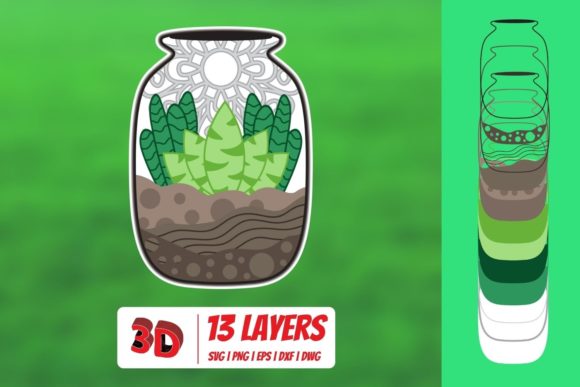
3D Florarium4 SVG is a scalable vector graphics (SVG) file that features a stylized, three-dimensional flower arrangement. Unlike traditional images, SVGs are resolution-independent, meaning they maintain crisp detail at any size. This makes them perfect for use in crafting, signage, embroidery, and print-on-demand services. The package also includes DXF, PNG, and EPS formats, giving you flexibility across different platforms and devices.
Why People Choose 3D Florarium4 SVG
Many creators choose 3D Florarium4 SVG because it combines artistic beauty with technical precision. Its realistic yet stylized appearance allows it to fit seamlessly into a variety of projects, from wedding invitations to home décor. Additionally, the availability of multiple file formats ensures compatibility with most popular design and cutting software, such as Cricut Design Space, Silhouette Designer Edition, Make the Cut MTC, Sure Cuts A Lot SCAL, and Brother Scan and Cut “Canvas” software.
Common Mistakes When Choosing or Using 3D Florarium4 SVG
While 3D Florarium4 SVG is a powerful tool, some users make avoidable errors when selecting or applying it. Here are a few common pitfalls:
- Overlooking format requirements: Not all software supports every file type. For example, if you’re using Silhouette Basic Edition, the SVG won’t open — you’ll need the DXF version instead.
- Ignoring layer structure: Some SVG files include hidden layers or nested elements that can affect how they cut or print. Always check the layers before finalizing your project.
- Using low-resolution previews: While the preview image may look great, always confirm the included PNG is at least 300 DPI with a transparent background for high-quality prints or overlays.
- Misunderstanding file contents: The zipped folder contains multiple formats, but not all might be necessary. Beginners often download everything without knowing which files they actually need.
How These Mistakes Impact Your Results
Choosing the wrong file format can lead to wasted time and materials. If you try to load an SVG into software that doesn't support it, you might end up with distorted lines or incomplete cuts. Similarly, skipping a transparency check on the PNG could result in a finished product that looks cluttered or unprofessional, especially if you're layering the design over photos or other artwork.
Layer issues are another major concern. If a design has grouped elements or hidden layers, failing to adjust these before sending the file to your cutting machine can cause misalignment or unnecessary cuts. This not only affects the quality of your output but can also increase material costs due to trial-and-error attempts.
Practical Tips for Avoiding Common Errors
To get the most out of 3D Florarium4 SVG, consider the following advice:
- Match the file format to your software: Before purchasing or downloading, verify which programs you use regularly. For instance, if you use CorelDraw or Adobe Illustrator, the EPS format will likely serve you best. If you’re working with a basic Silhouette machine, stick with the DXF version.
- Inspect the layers: Open the SVG in a program like Inkscape or Adobe Illustrator to review its composition. Look for grouped items, nested layers, or color-coded sections that may need adjusting for your specific project.
- Check the PNG for clarity: Use the PNG file as a visual reference when working with the vector formats. Ensure it’s 300 DPI and has a transparent background so it integrates well into layered designs or photo-based projects.
- Read the description carefully: Many sellers include detailed instructions about compatible software and recommended uses. Reading through these details can save you hours of frustration later.
Realistic Examples and Better Approaches
Let's say you're designing a custom greeting card and plan to laser-cut the florarium design into acrylic. You might initially try opening the SVG in your preferred software, only to discover it doesn’t support SVG imports. Instead, you should have downloaded the DXF file upfront, which is more widely accepted by laser-cutting programs.
Another scenario involves a blogger creating a printable wall art post. They might overlook the importance of the PNG format with a transparent background and end up with white borders around the image when printed. By using the transparent PNG as a guide, they can align the vector elements precisely and ensure a clean final output.
For entrepreneurs selling custom phone cases, using the wrong file format can lead to misprints or poor alignment. A better approach would be to extract both the SVG and PNG files, test the SVG in the case-making software, and use the PNG as a mockup to visualize how the design will appear once printed.
What to Check Before Making a Decision or Starting a Project
Before committing to 3D Florarium4 SVG, take a moment to ask yourself these questions:
- Which design or cutting software do I use most often?
- Do I need to resize the design significantly? If yes, SVG is the best choice for scalability.
- Will I be printing this design on fabric, paper, or another surface? Different formats suit different mediums.
- Am I planning to edit the design or just use it as-is? EPS and SVG allow for full editing, while PNG is best for visual placement.
- Is there a need for transparency in my final product? If so, the PNG must be verified for a clear background.
Also, consider the purpose of your project. Are you making a one-off gift or preparing a batch for sale? Your answer will influence whether you need the editable versions (SVG/EPS) or just the static PNG for display.
Getting the Most Out of Your Download
The 3D Florarium4 SVG download comes in a zipped folder containing SVG, DXF, PNG, and EPS files. Unzip the folder to access each format individually. It's easy to assume all files are needed, but in reality, you might only require one or two depending on your workflow.
For example: - If you're using Cricut Design Space or Silhouette Designer Edition, the SVG file is ideal. - If you're working with Silhouette Basic Edition, you'll need the DXF. - If you're doing professional graphic design in Adobe Illustrator or CorelDraw, the EPS format gives you maximum control. - If you're adding the design to a website or social media post, the PNG is the go-to file for quick integration and visual appeal.
Final Thoughts on Using 3D Florarium4 SVG Effectively
3D Florarium4 SVG is a versatile and visually appealing resource for a wide range of creative applications. However, its effectiveness depends on how well you understand the formats and their intended uses. By avoiding common mistakes related to file types, layers, and resolution, you can ensure your projects turn out professional and polished.
Remember, taking the time to assess your needs before starting a project is always worth it. Whether you're a beginner learning the ropes of digital design or a seasoned creator optimizing your workflow, thoughtful preparation will help you achieve better results with less effort.