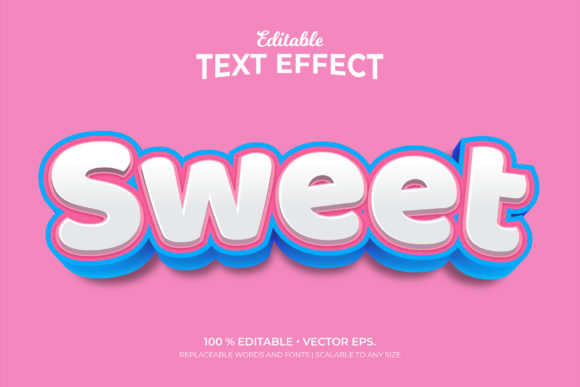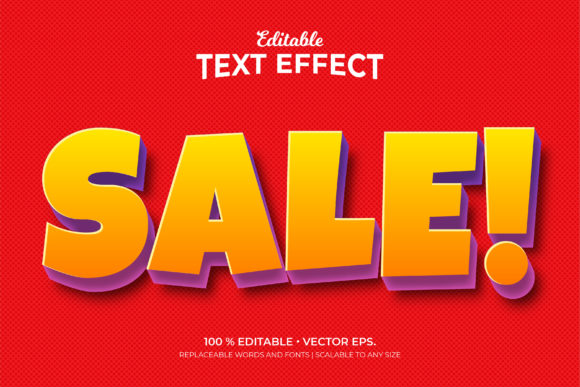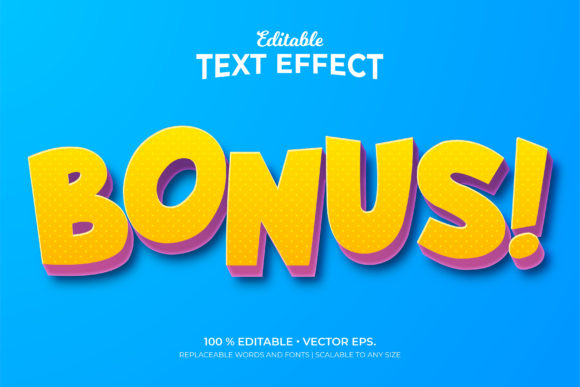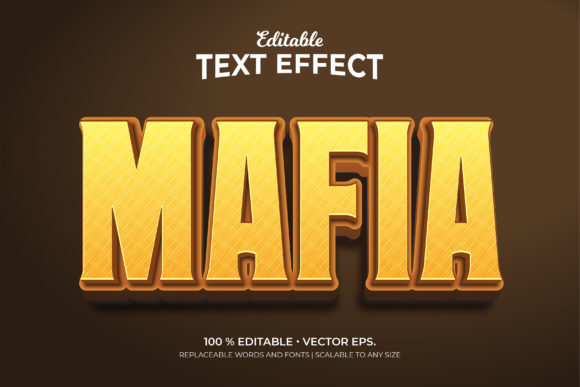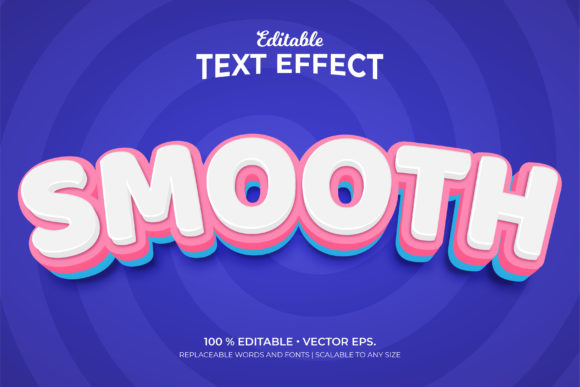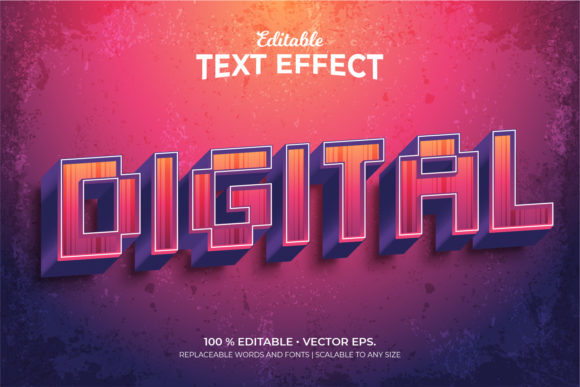
Digital 3d Editable Text Effects
In the landscape of modern digital design, text is no longer just a vessel for information; it is a primary visual element. As screens become higher resolution and attention spans shorter, static typography often fails to capture the eye in crowded feeds or competitive marketplaces. This shift has driven a surge in demand for Digital 3d Editable Text Effects, transforming simple words into immersive, tactile objects that command attention. For professionals ranging from freelance graphic designers to marketing managers at established brands, the ability to quickly generate high-impact, three-dimensional typography is no longer a luxury—it is a workflow necessity.
The evolution of this trend reflects a broader change in user expectations. Audiences today are accustomed to the depth and realism found in video games, augmented reality applications, and high-end motion graphics. When they encounter flat, two-dimensional text on a social media post or a website header, there is often an subconscious disconnect. By integrating Digital, 3d Style Editable Text Effects, creators can bridge that gap, lending their designs a sense of weight, presence, and professionalism without requiring hours of manual modeling or complex rendering processes.
Why 3D Typography Matters in Modern Workflows
The relevance of 3D text effects extends beyond mere aesthetics; it speaks to efficiency and versatility. In the past, creating convincing 3D lettering required specialized software knowledge, such as Cinema 4D or Blender, along with significant time investment. Today, templates designed for industry-standard tools like Adobe Illustrator have democratized this capability. A designer can now achieve studio-quality results in minutes by leveraging pre-built structures.
This accessibility aligns perfectly with the fast-paced nature of contemporary content creation. Bloggers need eye-catching headers for SEO articles. Entrepreneurs require bold logos for pitch decks. Educators create engaging slides for online courses. Each of these scenarios demands a unique visual identity but shares a common constraint: time. The availability of fully editable vector templates allows these users to maintain consistency across their brand while adapting quickly to new campaigns. It transforms text from a passive component into an active design element that anchors the composition.
Unpacking the Template Features
Not all text effect templates are created equal. To truly understand the value proposition of a high-quality asset, one must look at the technical specifications and flexibility they offer. A robust template for Digital 3d Editable Text Effects should prioritize ease of use without sacrificing customization options. Let’s break down the key features that define a professional-grade tool.
Software Compatibility and File Formats
The backbone of any efficient design workflow is file compatibility. The most versatile templates are built using Adobe Illustrator, the industry standard for vector graphics. This ensures that the assets remain crisp at any scale, a critical factor when moving from mobile screens to large-format prints. Specifically, files provided in Vector EPS CC format and native Ai Format guarantee that layers, paths, and effects remain intact and editable.
- EPS CC & Ai Formats: These formats allow for non-destructive editing. Designers can tweak anchor points, adjust gradients, and modify layer styles without losing quality.
- JPG Preview: While the source files provide power, JPG previews offer a quick visual reference, ensuring the buyer knows exactly what aesthetic they are acquiring before opening the heavy vector files.
This multi-format approach caters to different stages of the creative process. The preview helps with selection, while the vector files drive the actual production work.
Scalability and Resolution
One of the defining advantages of vector-based 3D text effects is infinite scalability. Unlike raster images, which pixelate when enlarged, vector paths remain sharp. However, the inclusion of a 1920 x 1080 pt RGB Color preview specification is particularly useful for digital-first creators. This resolution matches standard Full HD displays, allowing designers to visualize how the text will appear on websites, YouTube thumbnails, and social media stories. It provides a realistic benchmark for brightness, contrast, and legibility on screens, even though the final output can be scaled up for print or down for favicons without degradation.
Customization: Fonts, Colors, and Backgrounds
Flexibility is the core promise of an "editable" template. The best templates avoid locking users into a single aesthetic. For instance, if a template uses the Silkscreen font for its preview, it does not mean the user is stuck with it. Silkscreen offers a retro, tech-inspired vibe that might suit a gaming channel or a vintage-themed blog, but it may clash with a corporate law firm’s branding.
True editability means:
- Replaceable Words and Fonts: Users can swap out the placeholder text for their own copy and apply any font family installed on their system. This ensures brand alignment.
- Changeable Colors: The 3D shading, highlights, and shadows should be controlled via global swatches or easy-to-edit gradient meshes. This allows for rapid color testing to match seasonal campaigns or brand guidelines.
- Background Included: Some templates come with integrated backgrounds, providing context. Others are transparent, allowing the 3D text to float over any image. Knowing whether a background is included helps designers plan their composition more effectively.
Practical Applications Across Industries
The versatility of Digital 3d Editable Text Effects makes them suitable for a wide array of business needs. Because these templates are designed as additional elements that can be applied to any design, they serve as modular building blocks rather than finished products. Here is how different professionals can leverage them.
Marketing and Social Media
Marketers constantly battle for visibility on platforms like Instagram, TikTok, and LinkedIn. A striking 3D text overlay can stop the scroll. Imagine a promotional post for a summer sale where the word "SALE" pops off the screen with metallic textures and deep shadows. Using an editable template, a marketer can change the text to "FLASH SALE," adjust the colors to match the brand palette, and export it within minutes. This speed allows for A/B testing different visual styles to see what resonates best with the audience.
Branding and Identity
For startups and small businesses, logo design is a crucial first step. While a full logo requires strategic thinking, 3D text effects can be used for secondary branding elements, such as app icons, merchandise tags, or presentation title slides. The vector nature of these assets ensures that whether the logo is printed on a business card or displayed on a billboard, it retains its integrity.
Education and Content Creation
Educators and YouTubers benefit greatly from the "Easy to use" aspect of these templates. Creating engaging educational material often involves breaking down complex concepts. Bold, 3D keywords can highlight key terms in a video intro or a slide deck, aiding retention. Since the templates are fully editable, educators can input specific terminology relevant to their course, making the content feel personalized and professional.
Choosing the Right Tool for Your Needs
When selecting a template for Digital 3d Editable Text Effects, it is important to look beyond the flashy preview image. Ask yourself: Is the structure logical? Are the layers organized? Can I easily change the lighting direction? A well-constructed template will have grouped layers labeled clearly (e.g., "Shadows," "Highlights," "Base Shape"), making the editing process intuitive even for those who are not expert vector artists.
Furthermore, consider the end-use. If your primary output is digital, ensure the template supports RGB color modes efficiently. If you plan to print merchandise, verify that the vector paths are closed and clean to prevent issues during cutting or printing. The combination of Vector EPS CC format and high-resolution previews strikes the right balance between digital convenience and print readiness.
Conclusion
The integration of Digital 3d Editable Text Effects into design workflows represents a smart adaptation to current market preferences. It combines the visual impact of 3D graphics with the practicality of vector editing. By utilizing templates that are fully editable, scalable, and compatible with Adobe Illustrator, creators can elevate their projects without getting bogged down in technical complexities. Whether you are a seasoned designer looking to speed up your pipeline or a business owner aiming to enhance your brand's visual presence, these tools offer a powerful, accessible solution. In a world where visual communication is paramount, having the right assets at your fingertips can make the difference between being seen and being remembered.