Editable Orange 3D Font Style: A Comprehensive Evaluation
In the realm of graphic design, typography serves as the backbone of visual communication. The choice of font can dictate the tone, readability, and overall aesthetic impact of a project. Among the myriad of typographic options available to designers, Editable Orange 3d Font Style has emerged as a specific resource for those seeking bold, dimensional text effects without the steep learning curve associated with advanced 3D modeling software. This article provides an objective analysis of this font style, examining its features, technical specifications, use cases, and limitations to help creators determine if it aligns with their professional or personal design goals.
Understanding Editable Orange 3D Font Style
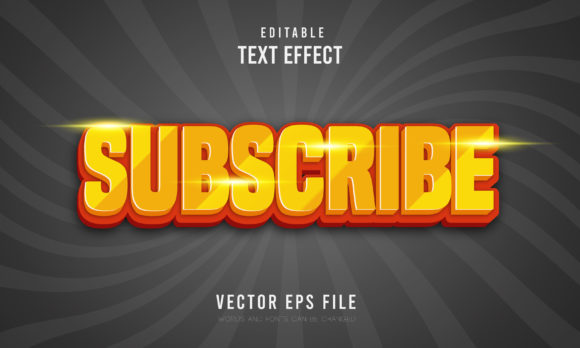
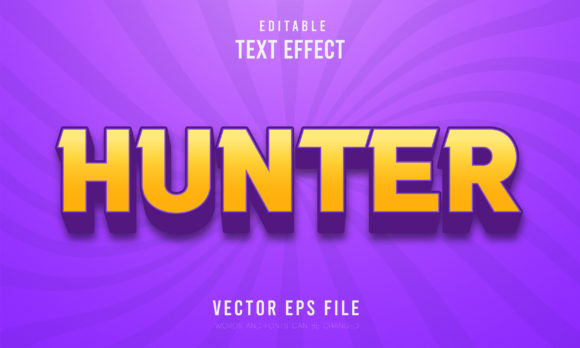
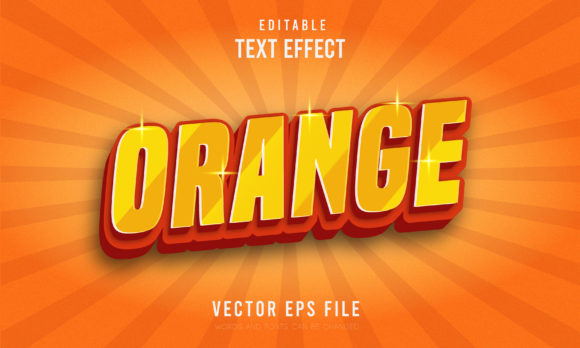
Editable Orange 3d Font Style refers to a collection of vector-based typefaces designed to simulate three-dimensional depth with a distinct orange color palette. Unlike standard flat fonts that rely on two-dimensional rendering, these styles incorporate shading, highlights, and extrusion techniques to create a tactile appearance. The core value proposition of this resource lies in its editability. Users are not presented with static images but rather with fully editable vector files, allowing for customization of text content, dimensions, and colors while maintaining the integrity of the 3D effect.
The primary appeal of this font style is its accessibility. It is marketed towards individuals who may not possess advanced skills in Adobe Illustrator or complex compositing tools. By providing pre-made 3D structures that are simply "click and replace," it bridges the gap between basic text insertion and high-end graphic design. This approach democratizes the creation of eye-catching headlines and logo elements, making professional-looking typography accessible to a broader audience.
Technical Features and Specifications
To evaluate whether Editable Orange 3d Font Style fits your workflow, it is essential to understand its technical underpinnings. The resource is delivered in fully vector formats, specifically Ai (Adobe Illustrator) and EPS (Encapsulated PostScript). These formats are crucial for several reasons:
- Scalability: Because the fonts are vector-based, they can be scaled to any size—from a small business card to a massive billboard—without losing resolution or becoming pixelated. This ensures crisp edges and smooth curves regardless of the output medium.
- Editability: Vector files allow users to manipulate individual anchor points, adjust path shapes, and modify layer attributes. This means you can tweak the curvature of a letter or adjust the spacing between characters to fit specific layout constraints.
- High Resolution: The assets are provided in high-resolution formats suitable for both digital and print media. This eliminates the need for additional upscaling processes that can degrade image quality.
The inclusion of "No Skill Requirement" as a key feature suggests that the layers are organized logically within the source files. While some familiarity with vector editing software is beneficial for maximum customization, the structure is designed to allow users to change text content and basic properties with minimal intervention.
Practical Applications and Use Cases
The versatility of Editable Orange 3d Font Style makes it suitable for a wide array of design projects. The vibrant orange hue and dimensional nature of the font make it particularly effective for grabbing attention. Below are common scenarios where this resource proves valuable:
Social Media and Digital Marketing
In the fast-paced environment of social media, visuals must stand out immediately. This font style is ideal for creating engaging social media covers, promotional banners, and story highlights. The 3D effect adds depth to flat screens, making posts more visually arresting. It is also well-suited for wallpapers and digital backgrounds where bold text needs to remain legible at various screen sizes.
Print Collateral
For physical marketing materials, the high-resolution vector format ensures that text remains sharp when printed. This font style works effectively on flyers, posters, and greeting cards. The orange color scheme often conveys energy, enthusiasm, and creativity, making it a strong choice for event promotions or celebratory designs.
Apparel and Merchandise
The ability to scale vectors infinitely makes this font a practical choice for T-shirt designs and clothing branding. Whether used for large front prints or smaller chest logos, the design maintains its clarity. Additionally, it can be adapted for logo presentations and brand identity kits, providing a distinctive typographic element that differentiates a brand from competitors using standard sans-serif or serif fonts.
Illustrations and Presentations
Beyond traditional marketing, this font can enhance illustrations by adding textual focal points. It is also useful in presentations where slide titles need to command attention. The ease of editing allows presenters to quickly update information without redesigning the entire slide layout.
Benefits and Tradeoffs
When considering Editable Orange 3d Font Style, it is important to weigh the benefits against potential limitations.
Benefits
- Time Efficiency: The "click and replace" functionality significantly reduces production time. Designers do not need to build 3D text effects from scratch, allowing for rapid prototyping and iteration.
- Cost-Effectiveness: Being a free resource, it offers a low-risk entry point for hobbyists and small businesses looking to enhance their visual assets without investing in premium font licenses or expensive software plugins.
- Consistency: Using a pre-defined style ensures consistency across multiple projects. If a brand uses this font for one campaign, it can easily be replicated for subsequent campaigns with minor adjustments.
Tradeoffs and Considerations
- Limited Customization Depth: While the files are editable, the complexity of the 3D effect may restrict how much the underlying geometry can be altered without breaking the visual coherence. Users seeking highly unique, bespoke typography might find the pre-set structure limiting.
- Niche Aesthetic: The specific orange color and 3D style may not align with all brand identities. Minimalist brands or those with strict corporate color guidelines might find this style too bold or informal.
- Software Dependency: Although no advanced skill is required, users still need access to vector editing software such as Adobe Illustrator, CorelDRAW, or compatible alternatives. It cannot be used directly in raster-based programs like Photoshop without conversion, nor in word processors like Microsoft Word.
Decision-Making Insights
Choosing whether to use Editable Orange 3d Font Style depends largely on your specific project requirements and technical capabilities. This resource is a strong fit for:
- Rapid Prototyping: If you need to produce multiple variations of a design quickly, the editability of the vector files offers a significant advantage.
- Beginner Designers: For those learning graphic design, these files serve as excellent templates to study layer organization and vector manipulation techniques.
- Projects Requiring Bold Impact: When the goal is to create high-energy, attention-grabbing visuals, the 3D orange style delivers immediate visual weight.
However, alternatives may be worth considering if:
- You require subtle, minimalist typography. In such cases, standard vector fonts or lighter weight 3D effects would be more appropriate.
- Your workflow does not include vector software. You might prefer raster-based font generators or online text-to-image tools.
- You need extensive typographic control over kerning, ligatures, and variable fonts. Specialized professional font suites offer greater flexibility than fixed-style vector collections.
Conclusion
Editable Orange 3d Font Style represents a practical solution for designers seeking to add dimension and vibrancy to their work without extensive technical overhead. Its vector-based nature ensures scalability and high-quality output across various mediums, from digital banners to printed apparel. While it may not suit every design context, particularly those requiring subtlety or extreme customization, it excels in scenarios demanding bold, energetic, and quickly producible typography. By understanding its features and limitations, creators can make informed decisions about incorporating this resource into their design toolkit.