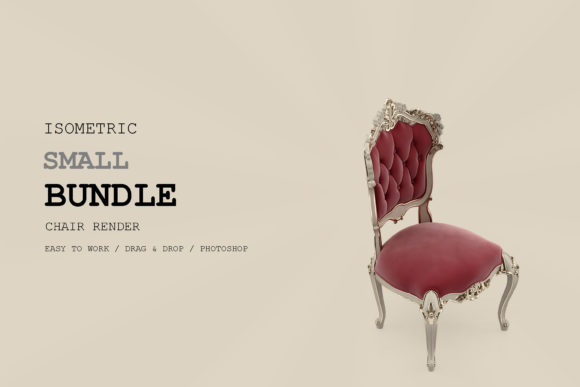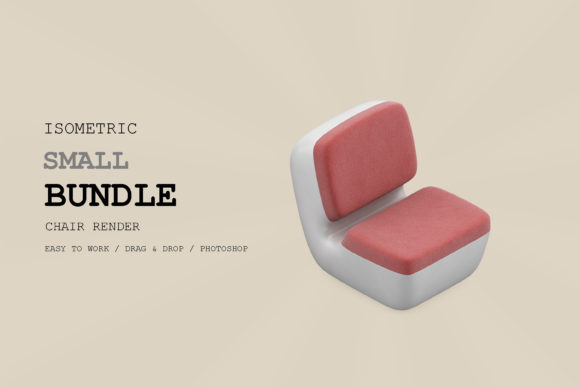
Evaluating Isometric Chair 3D Render Pack 57 for Professional and Academic Design Projects
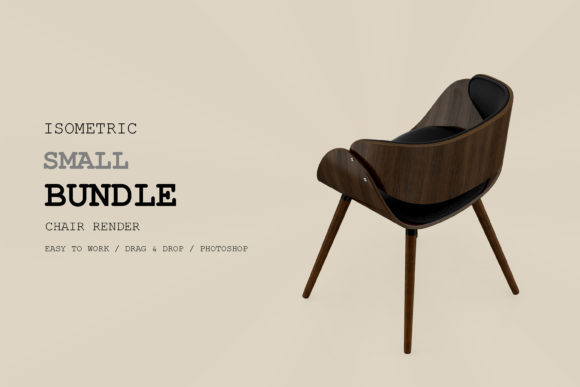
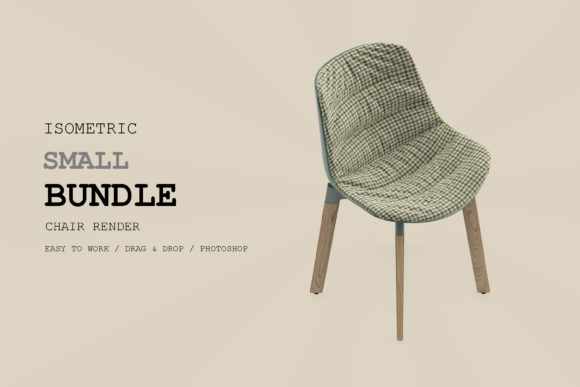
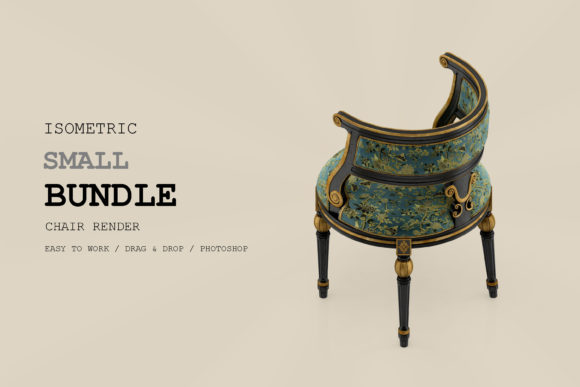
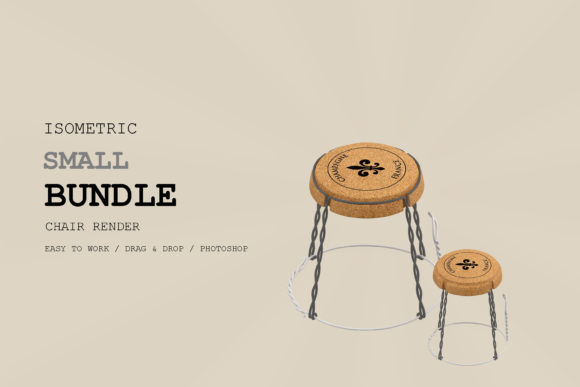
In the rapidly evolving landscape of digital design, having access to high-quality, versatile 3D assets is no longer a luxury but a necessity. Among the myriad of resources available to designers, developers, and illustrators, Isometric Chair 3D Render Pack 57 has emerged as a notable option for those seeking precision and aesthetic appeal in their visual communications. This specific pack offers more than just a collection of images; it provides a structured, professional-grade resource designed to streamline workflows across various disciplines.
Understanding the true value of this asset requires looking beyond its visual appearance. It involves analyzing technical specifications such as resolution, layer organization, and background separation. For professionals aged 20 to 50 who are constantly evaluating tools for efficiency and quality, knowing whether Isometric Chair 3D Render Pack 57 fits into their existing pipeline is crucial. This article explores the distinct features of this pack, compares it against general alternatives, and outlines the specific scenarios where it shines or may fall short.
Technical Specifications and Workflow Efficiency
The primary differentiator of Isometric Chair 3D Render Pack 57 lies in its technical construction. In an industry where time is often the most critical resource, the way an asset is delivered can be just as important as the asset itself. This pack is distinguished by several key technical attributes that cater to professional standards.
- High Resolution at 300 DPI: Unlike many web-only assets that suffer from pixelation when scaled, this pack is rendered at a high resolution with a DPI (dots per inch) of 300. This specification ensures that the images remain crisp and clear even when printed on large formats, such as posters, brochures, or architectural models. For designers working between digital and physical media, this dual-purpose capability eliminates the need to source separate assets for print and web.
- Organized Layers: One of the most significant advantages for advanced users is the inclusion of organized layers. This feature allows for non-destructive editing. A designer can isolate specific components of the chair, change materials, adjust lighting on individual parts, or remove elements without affecting the rest of the composition. This level of control is essential for customizing the asset to fit specific brand guidelines or project requirements.
- Separated Background and Shadow: The pack includes versions with separated backgrounds and shadows. This simplifies the compositing process significantly. Instead of manually masking out complex shapes or creating artificial drop shadows that may not match the scene's lighting, users can simply drag and drop the chair into their desired environment. The separated shadow ensures realism, grounding the object naturally within any new context.
- Comprehensive Help File: Included with the download is a help file. While often overlooked, this document provides valuable insights into how the files are structured and how to best utilize them. For students or junior designers, this educational component reduces the learning curve and ensures that the asset is used to its full potential.
Comparing Isometric Chair 3D Render Pack 57 with Alternatives
When evaluating Isometric Chair 3D Render Pack 57, it is helpful to compare it against other common approaches to obtaining 3D visuals. Designers typically have three main options: using generic clipart, hiring a 3D artist to model from scratch, or purchasing specialized render packs.
Generic Clipart vs. Specialized Packs: Many free or low-cost online repositories offer simple isometric icons. However, these often lack the depth, texture, and consistency required for professional projects. They frequently come with flat backgrounds and no editable layers. Isometric Chair 3D Render Pack 57 surpasses these basic options by offering a cohesive style and high-fidelity rendering. The tradeoff is cost and specificity, but for projects demanding a polished look, the specialized pack is superior.
Hiring vs. Pre-made Assets: Commissioning a custom 3D model offers unlimited customization but comes with high costs and long turnaround times. If a project timeline is tight or the budget is limited, pre-made render packs like this one provide an immediate solution. The limitation here is that you cannot change the fundamental geometry of the chair. However, because the layers are organized, you can alter colors and textures extensively, bridging the gap between a static image and a fully custom model.
Other Render Packs: There are numerous isometric packs available on the market. Some focus on entire rooms, while others focus on single objects. Isometric Chair 3D Render Pack 57 stands out due to its singular focus on chairs, allowing for a deeper variety of styles within that category. When comparing, users should look at the consistency of the art style. A good pack maintains uniform lighting and perspective across all included items, which this pack appears to prioritize based on its structured delivery.
Practical Use Cases and Applications
The versatility of Isometric Chair 3D Render Pack 57 makes it suitable for a wide array of applications. Its high-resolution output and clean aesthetics allow it to integrate seamlessly into both digital and print media.
Academic and School Projects
For students in interior design, architecture, or graphic design courses, this pack serves as an excellent reference tool. The organized layers allow students to deconstruct the design elements of the chair, providing a practical learning experience. Furthermore, the high DPI ensures that final submissions for printing are of publication quality. The included help file also aids in understanding software workflows, making it a valuable educational resource.
Architecture and Interior Design
Architects often need to visualize furniture layouts in isometric views to present concepts clearly to clients. Using a pre-rendered, high-quality chair saves hours of modeling time. The separated shadow feature is particularly useful here, as it allows the architect to place the chair in various lighting conditions simulated in their renders without worrying about mismatched shadows. This accelerates the conceptual phase of a project.
Digital Marketing and Social Media
In the realm of social networks and advertising, visual engagement is paramount. Isometric illustrations are trending in UI/UX design and social media graphics because they offer a modern, clean look. Isometric Chair 3D Render Pack 57 provides assets that are ready to use in platforms like Instagram, LinkedIn, or Facebook. The ability to separate the background means these images can be overlaid on branded backgrounds instantly, maintaining visual consistency across campaigns.
Web Design and Blogging
Website designers and bloggers often struggle to find unique illustrations that match their site’s color scheme. Because the pack includes organized layers, designers can tweak the colors of the chair to match their brand palette directly in their design software. This flexibility ensures that the imagery feels bespoke rather than stock, enhancing the overall user experience of the website or blog.
Print Projects and Advertising
As previously noted, the 300 DPI resolution makes this pack ideal for print. Advertisements in magazines, flyers, or direct mail pieces require sharp, detailed graphics. A blurry or pixelated image can undermine the credibility of a brand. By using Isometric Chair 3D Render Pack 57, marketers ensure that their promotional materials look professional and trustworthy, regardless of the print size.
Weighing the Tradeoffs and Limitations
While Isometric Chair 3D Render Pack 57 offers numerous benefits, it is important to acknowledge its limitations to make an informed decision. First, the scope is limited to chairs. If a project requires a comprehensive set of furniture including tables, sofas, and desks, this pack alone will not suffice. Users would need to combine it with other complementary packs, ensuring that the art style remains consistent across different sources.
Secondly, while the layers are organized, they are still raster-based or semi-raster depending on the file format provided. This means that extreme geometric changes are not possible. If a client requests a chair with a completely different structural shape, a custom 3D model would be necessary. However, for minor adjustments in style, color, and material, this pack is highly effective.
Finally, the reliance on specific software to edit the layers is a consideration. Users must have access to programs like Adobe Photoshop or Illustrator to fully leverage the organized layers and separated backgrounds. Without these tools, the advantage of the layered structure is lost, reducing the asset to a simple flat image.
Conclusion on Suitability
Determining whether Isometric Chair 3D Render Pack 57 is the right choice depends largely on your specific project needs and technical capabilities. It is an excellent fit for professionals who need high-quality, print-ready, and easily customizable isometric assets quickly. Its strengths in resolution, layer organization, and ease of use make it a strong contender for architects, designers, and marketers.
However, if your project requires extensive geometric modification or a complete suite of varied furniture types, you may need to supplement this pack with additional resources or consider custom modeling. By carefully evaluating the balance between time savings, cost, and creative control, users can determine if this pack aligns with their workflow. For those prioritizing efficiency and aesthetic consistency in isometric design, Isometric Chair 3D Render Pack 57 presents a compelling and practical solution.