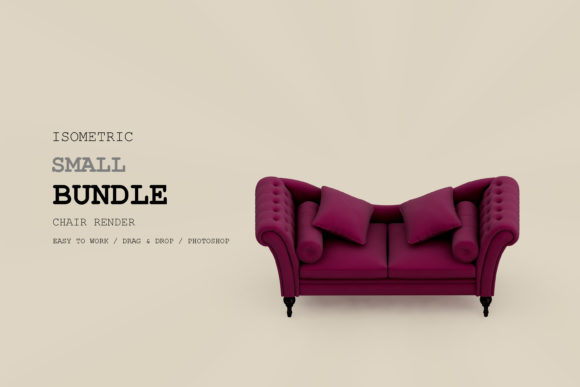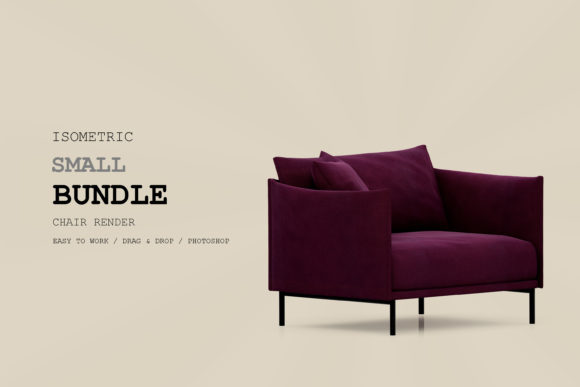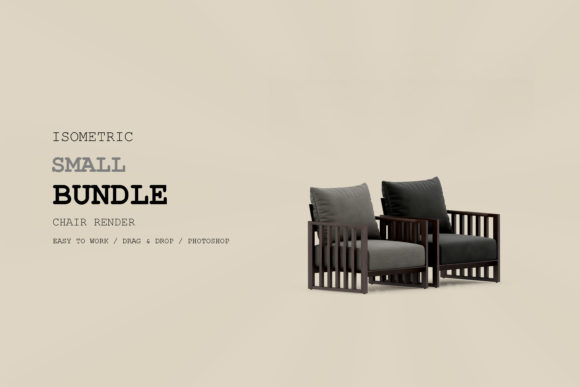
Isometric Armchair 3D Rendering Pac 147
Visual communication has evolved significantly, moving away from static, flat illustrations toward dynamic, three-dimensional representations that capture attention instantly. Among the most versatile tools in this space is Isometric Armchair 3D Rendering Pac 147. This specific asset pack is designed for creators who need high-quality, ready-to-use isometric visuals without spending hours modeling complex furniture from scratch. Whether you are a freelance graphic designer, an interior architect, or a small business owner looking to enhance your e-commerce presence, understanding how to leverage this resource effectively can save time and elevate the professional quality of your projects.
However, simply downloading a 3D rendering pack is not enough. Many users encounter issues when they do not fully understand the technical specifications or the intended workflow associated with these assets. Missteps in file management, resolution handling, or layer organization can lead to blurry outputs, inconsistent shadows, or difficult editing processes. This guide breaks down what makes Isometric Armchair 3D Rendering Pac 147 valuable, highlights common pitfalls to avoid, and provides practical advice on integrating it into your creative workflow.
Understanding the Core Features
Before diving into application strategies, it is crucial to appreciate the technical foundation of Isometric Armchair 3D Rendering Pac 147. The value of such a package lies not just in the visual appeal of the armchair but in its structural integrity as a digital asset. Here are the defining characteristics that set this pack apart:
- Separated Background: One of the most critical features is the isolated background. This allows you to place the armchair onto any backdrop—whether a solid color, a textured surface, or a complex scene—without tedious masking work. It ensures clean edges and professional compositing.
- High Resolution and DPI 300: For print-ready materials, resolution is non-negotiable. With a standard DPI (dots per inch) of 300, these renders are crisp enough for brochures, posters, and high-quality marketing materials. Lower-resolution assets often appear pixelated when scaled up, ruining the perception of luxury or professionalism.
- Organized Layers: A well-organized file structure saves hours of frustration. In Isometric Armchair 3D Rendering Pac 147, layers are grouped logically, allowing you to tweak colors, adjust lighting effects, or isolate specific components like cushions or legs independently.
- Separated Shadow: Shadows provide depth and realism. Having the shadow separated from the main object gives you control over opacity, blur, and placement. You can adapt the shadow to match different lighting environments in your design, ensuring the chair looks grounded rather than floating.
- Help File Included: Documentation is often overlooked but essential. The included help file provides guidance on software compatibility, recommended settings, and troubleshooting tips, reducing the learning curve for beginners.
Common Mistakes and How to Avoid Them
Even with high-quality assets, user error can compromise the final output. Below are frequent mistakes made when using Isometric Armchair 3D Rendering Pac 147, along with corrective measures to ensure optimal results.
Ignoring Aspect Ratio and Scaling
A prevalent error occurs when users scale the isometric armchair disproportionately relative to other elements in their composition. Isometric projection relies on precise angles (typically 30 degrees). If you stretch the image vertically or horizontally to fit a layout, the perspective will break, making the chair look distorted and unnatural. Better Approach: Always maintain the original aspect ratio. Use smart objects in Photoshop or vector-based scaling in Illustrator to resize without losing quality. If you need a larger version, check if the pack offers multiple size variations before distorting the existing file.
Neglecting Color Consistency
When placing the armchair into a new environment, the lighting and color temperature of the background may clash with the render’s inherent shading. This creates a "cut-out" effect where the object looks pasted on rather than integrated. Better Approach: Use adjustment layers to match the white balance and contrast of the armchair to the background. Since the shadow is separated, you can also tint the shadow to reflect ambient light sources in your scene, enhancing realism.
Overlooking File Format Compatibility
Some users assume all files in the pack are compatible with their preferred software. While Isometric Armchair 3D Rendering Pac 147 is typically provided in widely supported formats like PSD (Photoshop), AI (Illustrator), or PNG, opening them in incompatible or outdated versions of software can result in missing effects or corrupted layers. Better Approach: Check the system requirements listed in the help file. Ensure your software is updated to support the specific layer styles or blend modes used in the render. If you are working in a web-only context, consider exporting to WebP or optimized PNG to reduce load times without sacrificing clarity.
Underutilizing the Organized Layers
Beginners often flatten images prematurely, losing the ability to make future edits. Flattening the Isometric Armchair 3D Rendering Pac 147 file removes the flexibility to change fabric textures, adjust cushion positions, or modify shadow intensity later. Better Approach: Keep the source files intact. Work on copies for experimentation. Use the organized layers to create variations—for example, try swapping out the armchair’s upholstery color digitally to showcase different product options for clients.
Practical Applications Across Industries
The versatility of Isometric Armchair 3D Rendering Pac 147 extends across various professional domains. Knowing where to apply these assets helps maximize their ROI.
- Architecture and Interior Design: Architects can use the rendered armchair in client presentations to visualize furniture layouts within a room. The separated shadow allows for realistic placement on floor plans or 3D walkthroughs, helping clients grasp spatial relationships better than flat sketches.
- E-Commerce and Retail: Online retailers benefit greatly from consistent, high-resolution product imagery. Using this pack, businesses can create uniform catalog images without the cost of physical photoshoots. The high DPI ensures that zoom features on websites display sharp details, building trust with potential buyers.
- Social Media Marketing: Content creators can leverage the separated background to insert the armchair into engaging lifestyle scenes. Whether it’s a cozy reading nook or a modern office setup, the asset integrates seamlessly into Instagram posts, Pinterest pins, or Facebook ads, driving higher engagement through visually appealing content.
- Educational Materials: Educators designing textbooks or online courses on design principles can use the isometric view to explain perspective, geometry, and furniture ergonomics. The clear, distinct lines of the isometric projection make it an excellent teaching tool.
- Blog and Website Design: Web designers seeking unique icons or illustrative elements can incorporate the armchair to break up text-heavy pages. Its clean aesthetic fits well with modern UI/UX trends, adding visual interest without distracting from the core message.
Evaluating Your Choice Before Implementation
Before committing to Isometric Armchair 3D Rendering Pac 147 for a major project, take a moment to evaluate its suitability. Ask yourself: Does the style match my brand’s aesthetic? Is the resolution sufficient for my largest intended output? Are the layer structures intuitive for my skill level?
It is also wise to test the asset in a small-scale project first. Create a mockup brochure or a social media post to see how the file behaves in your workflow. Pay attention to how the shadow interacts with your chosen background and whether the color palette requires significant adjustment. This trial phase helps identify potential issues early, preventing costly revisions later.
Furthermore, consider the long-term usability. If you plan to reuse the asset in multiple campaigns, ensure you have the appropriate licensing rights. Most premium packs offer commercial use licenses, but verifying terms protects you from legal complications. Additionally, organize your downloaded files properly. Create a dedicated folder for Isometric Armchair 3D Rendering Pac 147, backing up both the source files and exported versions to prevent data loss.
Conclusion
Isometric Armchair 3D Rendering Pac 147 represents a powerful tool for anyone involved in visual design, offering high resolution, organized layers, and flexible compositional options. By avoiding common mistakes such as improper scaling, neglecting color consistency, and flattening files too early, you can harness its full potential. Whether you are enhancing a school project, launching an advertisement campaign, or designing a website, this asset provides a professional foundation. With careful preparation and mindful application, you can produce stunning, cohesive visuals that communicate your message effectively and leave a lasting impression on your audience.