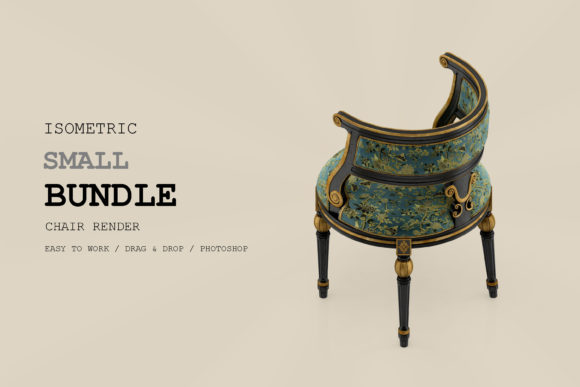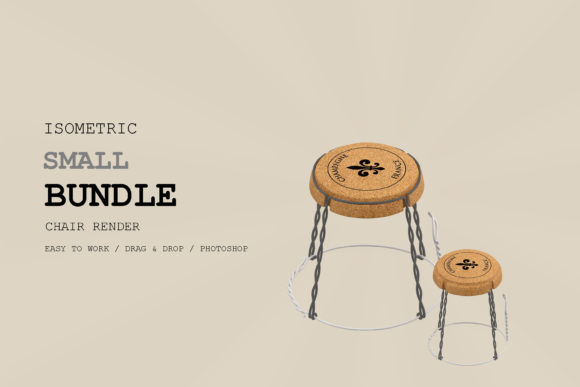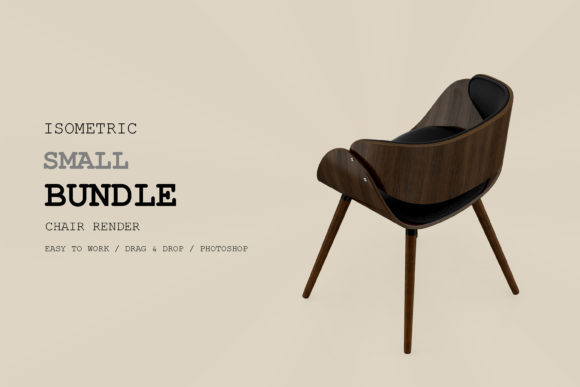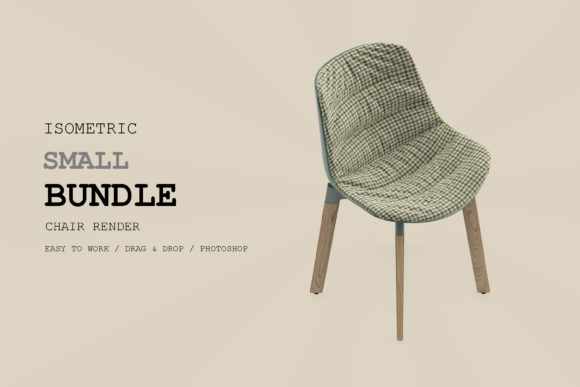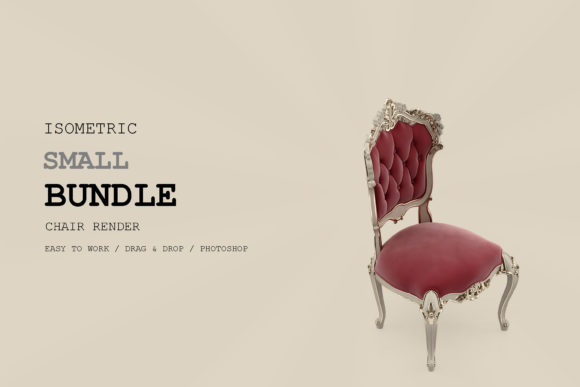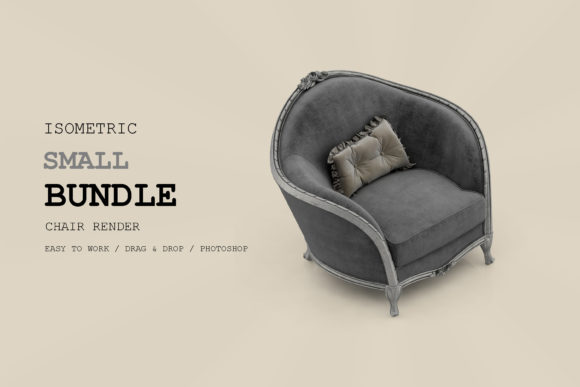
Isometric Chair 3D Render Pack 167
In the world of digital design, consistency is king. When you are building a visual narrative—whether for a brand identity, an educational module, or a technical manual—mixing different perspective styles can break the immersion. This is where Isometric Chair 3D Render Pack 167 becomes an indispensable asset. It offers more than just a single image; it provides a cohesive system of high-quality, technically precise 3D assets designed to integrate seamlessly into complex compositions.
Unlike standard photographic references that suffer from distortion and varying lighting conditions, isometric projections maintain parallel lines and uniform scaling. This makes them ideal for infographics, UI/UX mockups, architectural presentations, and editorial illustrations. The pack specifically addresses the pain points of 3D artists and graphic designers by offering organized layers, separated shadows, and high-resolution outputs, allowing for rapid iteration without sacrificing quality.
Technical Precision Meets Creative Flexibility
What sets this render pack apart is its attention to technical detail. At DPI 300, the resolution is sufficient for both crisp on-screen displays and high-fidelity print materials. For freelancers and agencies working with international clients, this ensures that logos, backgrounds, and chair elements remain sharp whether viewed on a mobile device or printed on a large-format poster.
The inclusion of a help file is often overlooked but critically important. It serves as a quick-reference guide for layer management, suggesting best practices for compositing. For beginners, this reduces the learning curve significantly. For experienced professionals, it saves time by eliminating guesswork regarding how to isolate specific components like legs, seats, or backrests.
Organized Layers for Efficient Workflow
One of the most significant time-savers in any 3D workflow is non-destructive editing. With organized layers, designers can tweak individual parts of the chair without affecting the whole structure. Need to change the color of the seat cushion? You can do so independently of the frame. Want to adjust the shadow intensity to match a new background lighting setup? The separated shadow feature allows for precise control over depth and realism.
This level of granularity supports a "build-as-you-go" approach. Instead of rendering multiple variations of a chair in different colors—which can be computationally expensive and slow—you can create one master model and generate infinite colorways instantly. This efficiency is crucial for meeting tight deadlines in advertising and marketing campaigns.
Versatile Applications Across Industries
The utility of Isometric Chair 3D Render Pack 167 extends far beyond simple product visualization. Its clean, geometric aesthetic makes it adaptable to a wide range of contexts. Here is how different professionals can leverage these assets:
- Architecture and Interior Design: Architects often use isometric views to present space planning concepts. These chairs can populate floor plans, helping clients visualize furniture placement without the distraction of realistic textures. The separated background option allows architects to overlay the chairs directly onto CAD drawings or hand-drawn sketches.
- School Projects and Education: Educators creating instructional materials benefit greatly from clear, uncluttered visuals. Whether illustrating a lesson on ergonomics, design history, or spatial awareness, these renders provide a neutral yet professional backdrop. Students working on their own projects can use them as reference models or compositional elements in their final presentations.
- Social Media and Digital Marketing: In the fast-paced world of social media, engagement is driven by visual clarity. Isometric illustrations are trending because they convey information quickly and aesthetically. Marketers can use these chairs in carousel posts, stories, or banner ads to represent comfort, style, or home office setups. The high resolution ensures that even when scaled down for Instagram thumbnails, the details remain intact.
- Website Design and UI/UX: Web designers looking to add personality to landing pages often struggle with finding consistent iconography or illustration sets. These renders offer a premium alternative to flat vector icons. They can be used in hero sections, feature lists, or about pages to break up text and guide the user’s eye. The separated background feature is particularly useful for parallax scrolling effects or interactive hover states.
- Print Projects and Advertising: From magazine spreads to brochures, print requires high DPI assets. This pack meets that standard. Advertisers can composite these chairs into lifestyle scenes, adding custom props or environments to tell a story. The ability to separate shadows allows for seamless integration into existing photographs, maintaining realistic lighting interactions.
Creative Directions and Styling Tips
To get the most out of Isometric Chair 3D Render Pack 167, consider experimenting with different stylistic approaches. The neutral nature of the base models allows for extensive customization.
Mood and Atmosphere
Play with lighting and color palettes to evoke specific emotions. A warm, earthy tone palette can suggest sustainability and organic materials, appealing to eco-conscious audiences. Conversely, cool blues and greys might convey modernity and tech-forward thinking, suitable for corporate or startup branding. Use the separated layers to apply gradients or texture overlays that mimic fabric, wood, or metal finishes.
Contextual Storytelling
Don’t just place the chair in isolation. Build a scene around it. If you are designing for a blog post about remote work, surround the chair with a desk, a laptop, and a coffee cup. Use other isometric assets to create a cohesive environment. This contextualization helps the audience relate to the product or concept on a personal level. For example, a student project on urban planning could feature these chairs in a park setting, highlighting public seating solutions.
Consistency is Key
When using these renders in a larger project, such as a website or a multi-page brochure, maintain consistency in scale and perspective. Ensure that all isometric elements share the same vanishing point logic (even if abstract) to preserve the 3D illusion. The help file included in the pack can guide you in aligning these elements correctly. Regularly check your composition against the original renders to ensure no distortion has occurred during import into your design software.
Practical Recommendations for Implementation
For those new to working with 3D renders in 2D design software, start small. Import one chair and practice adjusting its position, rotation, and scale. Experiment with the shadow layer to see how it interacts with different background colors. Once comfortable, try combining multiple chairs to create a group setting. This iterative process builds confidence and helps you understand the limitations and capabilities of the asset.
Always save your work in layered formats (such as PSD or AI) to preserve the editability of the components. This future-proofs your project, allowing for easy updates if client requirements change. Additionally, keep a library of your favorite compositions. Over time, you will develop a repertoire of layouts that you can reuse and adapt, saving valuable time on future projects.
Ultimately, Isometric Chair 3D Render Pack 167 is more than a collection of images; it is a toolkit for visual communication. By leveraging its technical features and creative potential, designers, educators, and marketers can produce content that is not only visually appealing but also effective in conveying their message. Whether you are crafting a detailed architectural proposal, a engaging social media campaign, or an educational resource, this pack provides the foundation for professional, polished results.