Mastering Visual Impact with Extra Bonus 3d Editable Text Effects
In the rapidly evolving landscape of digital design, typography is no longer just about conveying information; it is a primary vehicle for emotional engagement and brand identity. As visual noise increases across social media feeds, websites, and marketing materials, designers are constantly seeking methods to make their text stand out without compromising readability or aesthetic harmony. This is where specialized graphic assets come into play. Among the most versatile tools available to modern creatives are Extra Bonus 3d Editable Text Effects. These templates offer a sophisticated blend of depth, dimensionality, and flexibility, allowing users to transform flat lettering into striking visual statements.
The appeal of these effects lies not merely in their aesthetic potential but in their practical utility. For professionals ranging from freelance graphic designers to corporate marketing teams, the ability to quickly generate high-quality, three-dimensional typography can significantly streamline workflows. By leveraging pre-designed vector files, creators can bypass the time-consuming process of manually extruding letters or calculating lighting angles, instead focusing on the strategic application of these effects to enhance overall design narratives.
The Anatomy of Modern 3D Typography
To understand the value of Extra Bonus 3d Editable Text Effects, one must first appreciate the technical components that constitute a high-quality 3D text asset. Unlike simple drop shadows or bevels found in basic word processors, true 3D text effects involve complex layering, shading, and perspective adjustments. The template described utilizes Adobe Illustrator, a industry-standard vector graphics editor, ensuring that every curve and angle remains crisp regardless of scale.
The file format specified as Vector EPS CC (compatible with version 1920 x 1080 pt) indicates a robust structure. EPS, or Encapsulated PostScript, is a universal format that preserves the integrity of vector data, making it ideal for both digital display and large-format printing. When combined with the AI format, which allows for direct editing within Adobe’s ecosystem, these templates provide a seamless workflow for designers who need to tweak details without losing resolution quality. The inclusion of a JPG preview serves as a quick reference, allowing users to visualize the final output before investing time in customization.
Key Features and Technical Advantages
The specific characteristics of this template set define its usability across various design contexts. Several features distinguish it from generic text effects:
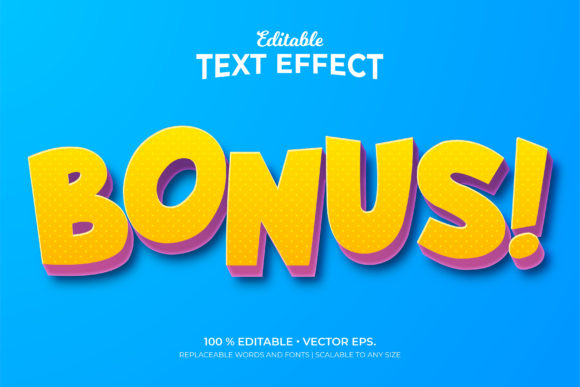
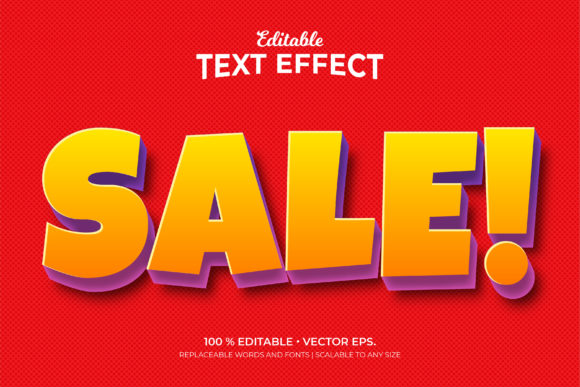
- Fully Editable and Replaceable Elements: The core strength of this template is its editability. Users can replace words and fonts entirely, ensuring that the effect can be adapted to any message. Whether the goal is to spell "SALE" for a retail promotion or a client's name for a logo enhancement, the underlying structure supports dynamic content insertion.
- Scalability Without Quality Loss: Because the source files are vectors, they are infinitely scalable. A designer can use the same text effect for a tiny mobile app icon or a massive billboard without encountering pixelation or blurriness. This scalability is crucial for brands that maintain consistency across multiple touchpoints.
- Customizable Color Palettes: The RGB color mode ensures compatibility with digital screens, while the ability to change colors allows for endless variation. Designers can match the text effect to brand guidelines, seasonal themes, or specific product lines by simply altering the fill and stroke attributes.
- Integrated Backgrounds: Many templates include included backgrounds, which can serve as ready-made compositions or starting points for further manipulation. This feature reduces the cognitive load on the designer, allowing them to focus on integrating the text into the broader visual environment.
Font Selection and Aesthetic Flexibility
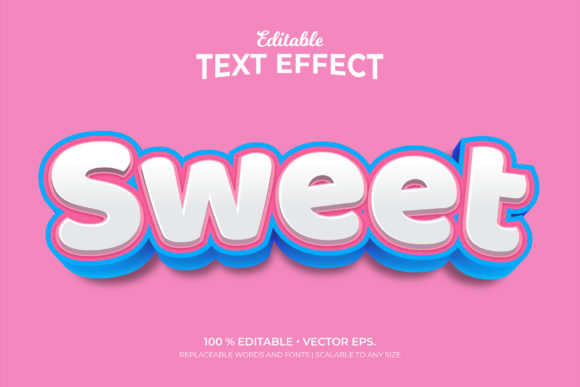
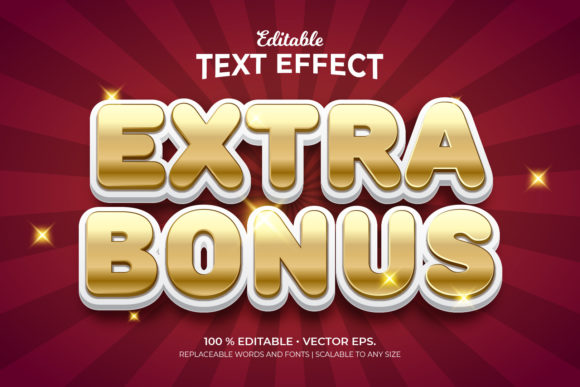
A critical aspect of any 3D text effect is the typeface used. The preview for this template utilizes "Rounds Black," a font chosen for its bold, rounded characteristics. This style lends itself naturally to 3D extrusion because the thick strokes hold up well under shadow and light simulation. However, the template’s true power lies in its replaceability. While "Rounds Black" provides a friendly, approachable look suitable for children’s products or casual branding, users can swap it for serif fonts to evoke elegance or sans-serif fonts for a modern, minimalist aesthetic.
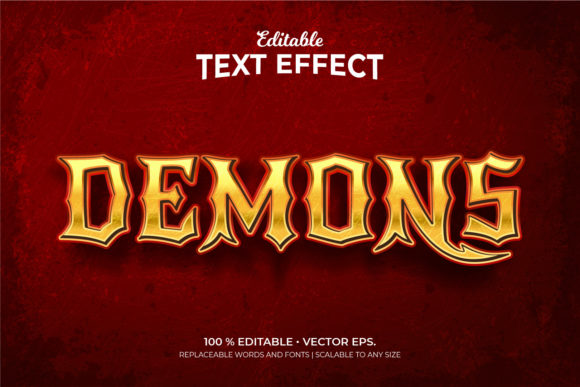
This flexibility means that the template is not limited to a single genre. A financial institution might use a sharp, geometric font to convey stability, while a gaming company might opt for a distressed, heavy font to suggest action and intensity. The 3D effect acts as a container that enhances whatever font is placed within it, adding weight and presence to the typography.
Practical Applications Across Industries
The versatility of Extra Bonus 3d Editable Text Effects makes them applicable to a wide array of professional fields. Understanding these applications helps illustrate why such assets are valuable investments for creative professionals.
Marketing and Advertising
In the advertising sector, attention is the currency. 3D text effects are frequently used in social media advertisements, email headers, and promotional banners to grab immediate attention. The depth created by the 3D effect draws the eye, making headlines pop against busy backgrounds. For e-commerce businesses, using these effects for seasonal sales (like Black Friday or Summer Clearance) can increase click-through rates by making the call-to-action visually distinct.
Event Design and Hospitality
Event planners and hospitality professionals often need to create immersive environments. Whether designing invitations, stage backdrops, or menu covers, 3D text adds a tactile quality to digital designs. A wedding invitation featuring elegant 3D script or a concert poster with aggressive 3D block letters creates an expectation of a premium experience. The ability to easily edit the text allows for rapid prototyping of different event themes.
Education and Content Creation
Educators and content creators benefit from the clarity and emphasis that 3D text provides. In online courses, presentations, or YouTube thumbnails, highlighting key terms or titles with 3D effects helps retain viewer attention. For educators, this can mean better retention of material for students, as the visual hierarchy guides the learning process. Hobbyists creating DIY tutorials or craft blogs can also use these effects to title their projects attractively.
Corporate Branding
For business owners, maintaining a cohesive brand image is paramount. Using a consistent 3D text effect across business cards, letterheads, and website headers reinforces brand recognition. The template’s ease of use ensures that even non-designers in a marketing team can produce on-brand materials without requiring extensive software training.
Workflow Integration and Efficiency
One of the most significant advantages of using pre-made vector templates is the improvement in workflow efficiency. Traditional 3D text creation in software like Adobe Illustrator or Photoshop can be labor-intensive, involving manual extrusion, lighting setup, and texture mapping. By utilizing a template like Extra Bonus 3d Editable Text Effects, designers can reduce this process to a matter of minutes.
The workflow typically involves opening the EPS or AI file, selecting the text layer, and typing the desired message. The template automatically adjusts the geometry and shading to fit the new text length and font size. This automation allows designers to allocate more time to conceptual development and less to technical execution. Furthermore, because the files are organized and layered correctly in the source document, users can easily isolate specific parts of the effect—for instance, changing only the side color of the extrusion—without disrupting the entire design.
Considerations for Implementation
While these templates offer numerous benefits, there are considerations for optimal usage. First, compatibility is key. Although EPS and AI formats are widely supported, users should ensure their version of Adobe Illustrator is compatible with CC 1920 standards to avoid rendering issues. Additionally, while the RGB color mode is ideal for digital use, designers preparing files for print should remember to convert colors to CMYK if necessary, although the template’s structure may facilitate this transition.
Another consideration is originality. Since these templates are accessible to many users, overuse can lead to a homogenized look. To mitigate this, designers should experiment with custom colors, unique font pairings, and integration with other graphic elements. By treating the 3D text effect as one component of a larger composition rather than the sole focal point, creators can maintain a distinctive style.
Conclusion
The demand for compelling visual communication continues to grow, and typography remains at the forefront of this evolution. Extra Bonus 3d Editable Text Effects represent a powerful solution for designers seeking to add depth and dimension to their work efficiently. With their fully editable nature, scalable vector formats, and broad applicability across industries, these templates empower creators to produce professional-grade designs with minimal friction. Whether used for a small business logo or a large-scale marketing campaign, these effects provide the visual punch needed to capture audience interest in an increasingly competitive digital world.