White Logo Mockup Design
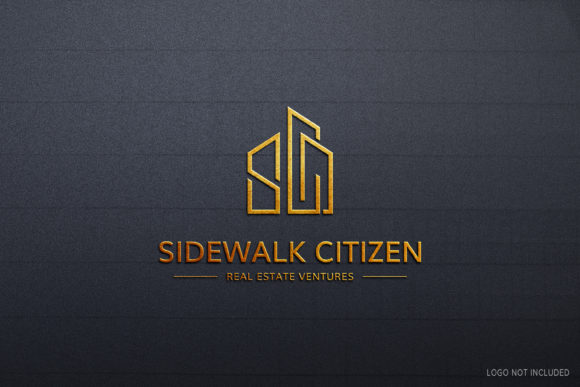
In the competitive landscape of branding and visual identity, the presentation of a logo is often just as critical as the design itself. A brilliant concept can fall flat if it is displayed on a flat, lifeless background that fails to convey texture, depth, or realism. This is where the White Logo Mockup Design becomes an indispensable tool for designers, marketers, and business owners. It bridges the gap between digital creation and physical perception, allowing creators to showcase their work in a way that feels tangible and professional before a single print run begins.
The evolution of graphic design workflows has shifted dramatically toward speed and precision. Clients no longer wait weeks for proof-of-concept visuals; they expect immediate, high-fidelity representations of how their brand will look in the real world. Modern audiences have developed a keen eye for detail, instantly recognizing when an image is artificially rendered versus when it mimics reality. Consequently, the demand for tools that offer high-quality 3D realistic outputs without requiring advanced 3D modeling skills has surged. This article explores how leveraging smart object technology in mockups streamlines this process, ensuring that every shadow, highlight, and angle aligns perfectly with your creative vision.
The Power of Realistic Presentation in Branding
Why does the visual context matter so much? Human brains are wired to process visual information rapidly, and we subconsciously judge the quality of a product based on its presentation. When you place a white logo on a clean, well-lit surface using a realistic mockup, you are not just showing a file; you are telling a story about the brand’s reliability and attention to detail. Whether it is for a corporate identity, a startup pitch deck, or a freelance portfolio, the ability to demonstrate how a logo interacts with light and texture adds a layer of credibility that flat PNGs simply cannot match.
This relevance is amplified by current market preferences. In an era dominated by social media and digital portfolios, first impressions are formed in milliseconds. A crisp, professionally lit mockup stops the scroll. It signals to potential clients or employers that the designer cares about the final output, not just the initial sketch. For entrepreneurs, this means that investing time in proper presentation can directly influence conversion rates and client trust. The White Logo Mockup Design serves as a neutral canvas that highlights the logo’s form without distraction, making it versatile enough for various industries, from tech startups to luxury lifestyle brands.
Democratizing High-End Visuals Through Smart Objects
Historically, creating photorealistic product renders required expensive software like Blender or Cinema 4D and a steep learning curve. Today, platforms like Adobe Photoshop have democratized this capability through features like Smart Object Replacement. This technology allows users to insert their designs into pre-built scenes while automatically applying complex transformations such as perspective warping, lighting adjustments, and shadow casting.
The specific features highlighted in this resource pack—such as being very easy to edit and having no skill requirement beyond basic replacement—address a common pain point in the design community. Many freelancers and small business owners lack extensive technical training but possess strong creative instincts. By providing a fully layered and well-organized layer in folders, the workflow becomes intuitive. Users do not need to hunt for hidden layers or struggle with blending modes. Instead, they can focus entirely on the creative aspect: choosing the right logo, font, or text placement.
This efficiency is crucial for modern workflows where turnaround times are short. A designer might need to present three different variations of a logo to a client within an hour. With a template that is 100 editable and ready to use, these iterations can be produced in minutes rather than hours. The automation of correct angles, shadows, and lighting ensures consistency across all versions, maintaining a professional standard even under tight deadlines.
Technical Specifications and Workflow Integration
To understand the practical value of this asset, one must look at the technical specifications. The pack includes a PSD file with dimensions of 3000 x 2000 pixels at 300 DPI. These numbers are not arbitrary; they represent industry standards for high-resolution printing and sharp digital display. At 300 DPI, the image retains clarity even when zoomed in closely, which is essential for detailed critiques or large-format prints. The resolution ensures that pixelation does not undermine the perceived quality of the logo.
The inclusion of a JPEG version provides a quick preview option, useful for email attachments or social media previews where the PSD file size might be too cumbersome. Additionally, the presence of a Help file acknowledges that while the tool is designed for ease of use, some users may still benefit from guided instructions. This support structure reduces friction for beginners who might be intimidated by Photoshop’s interface. For those seeking further assistance, direct contact via the creator’s profile (Harry_de) offers a personalized touch, fostering a supportive community around the asset.
- High Quality 3D Realistic: Ensures the final output looks authentic, avoiding the "plastic" look of low-effort renders.
- Smart Object Replacement: Allows non-destructive editing, meaning you can swap out logos repeatedly without losing original data.
- Fully Layered Organization: Saves time by grouping elements logically, making future edits or customizations straightforward.
- No Skill Requirement: Empowers users with limited technical expertise to produce professional-grade visuals.
Adapting to Changing Creative Practices
The shift towards remote work and global collaboration has changed how design assets are shared and used. Teams are often distributed across time zones, requiring files that are self-explanatory and robust. A well-structured PSD file acts as a standalone unit of work that any team member can open and modify without needing access to the original source files or specialized plugins. This interoperability is vital for agencies managing multiple clients simultaneously.
Furthermore, the trend towards minimalism in design favors the white logo mockup. As brands move away from cluttered aesthetics, clean, monochromatic presentations allow the typography and iconography to speak for themselves. A white logo on a textured white or light gray surface creates a sophisticated, airy feel that resonates with contemporary tastes. This aesthetic is particularly popular in sectors like wellness, technology, and finance, where clarity and trust are paramount. By utilizing a mockup that supports these clean lines, designers can align their presentations with broader cultural trends in visual communication.
Practical Recommendations for Creators
For professionals looking to integrate this White Logo Mockup Design into their routine, consider starting with your most challenging projects. Use the mockup to test how your logo holds up under different lighting conditions before committing to physical production. This can save significant costs by identifying potential visibility issues early in the design phase. For example, a thin sans-serif font might disappear against a bright background in a poorly lit render, but a realistic mockup will reveal this flaw immediately.
Additionally, leverage the organizational structure of the layers. If you plan to reuse the mockup for different projects, take the time to rename layers and group them according to your own naming conventions. This habit pays off over time, creating a personal library of customized templates that accelerate future work. Don’t hesitate to experiment with the text elements included in the pack. Adding subtle taglines or contact information in the mockup can provide context that helps clients visualize the end application, whether it’s on a business card, a storefront sign, or a mobile app icon.
Finally, remember the importance of feedback. When sharing these mockups with clients, encourage them to view them on different devices. The high resolution ensures that details remain clear on both desktop monitors and mobile screens, providing a comprehensive view of the brand’s versatility. If you encounter any hurdles, utilize the help file or reach out to the creator. Engaging with the support resources available can deepen your understanding of the tool’s capabilities, leading to more innovative uses over time.
Conclusion
The White Logo Mockup Design represents more than just a template; it is a strategic asset that enhances the professionalism and effectiveness of visual communication. By combining high-quality 3D rendering with user-friendly smart object technology, it removes technical barriers and allows creativity to flourish. Whether you are a seasoned graphic designer refining a client proposal or a small business owner establishing your brand identity, this tool offers a practical, efficient, and visually compelling solution. Embracing such resources not only improves the immediate outcome of your projects but also contributes to a higher standard of presentation in the broader creative industry.