Golf Ball. 3D Realistic Vector
In the world of visual communication, few objects carry as much immediate cultural recognition as the humble golf ball. It is a symbol of precision, leisure, and classic Americana. When you translate that iconic shape into a digital asset—specifically a Golf Ball. 3D Realistic Vector—you unlock a versatile design element that bridges the gap between traditional sports imagery and modern graphic design. This isn't just a clipart image; it is a meticulously crafted representation of texture, light, and form, isolated on a clean white background to give designers maximum flexibility.
For content creators, small business owners, and brand strategists, having access to high-quality design assets like this can elevate a project from amateur to professional in seconds. Whether you are designing packaging for a sports bar, creating social media graphics for a local tournament, or building a brand identity for a new athletic startup, understanding how to leverage realistic vector illustrations is crucial. The Golf Ball. 3D Realistic Vector offers a unique blend of tactile realism and digital utility, making it a valuable addition to any creative toolkit.
The Visual Appeal of Realistic 3D Vectors
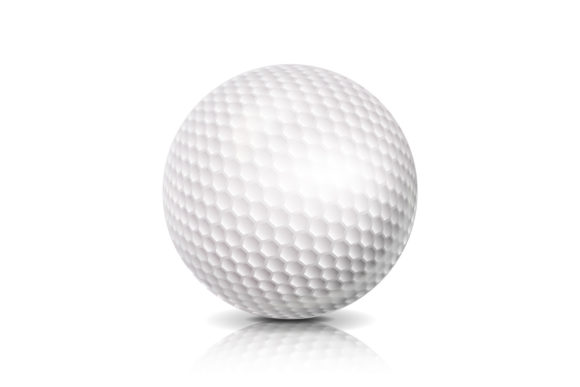
What sets the Golf Ball. 3D Realistic Vector apart from standard flat icons is its attention to detail. In an era where minimalism often dominates web design, there is still a powerful demand for depth and realism. This asset captures the dimpled surface of a traditional classic golf ball with remarkable accuracy. The interplay of shadow and highlight creates a three-dimensional effect that feels tangible, almost ready to be picked up and swung.
This level of detail serves a specific purpose: trust and authenticity. When users see a highly realistic rendering, their brain processes it as "real." For brands in the sports, fitness, or lifestyle sectors, this subconscious cue can enhance credibility. The isolation on a white background is not merely an aesthetic choice; it is a functional one. It allows the asset to be easily extracted and placed over various backgrounds without complex masking. You can drop this premium font style illustration onto a dark navy brochure, a bright yellow flyer, or a transparent website header, and it will maintain its integrity and visual impact.
The style leans towards a modern typography of sorts, even though it is an illustrative vector. It avoids the cluttered look of overly detailed photographs while retaining enough texture to avoid looking sterile. This balance makes it suitable for a wide range of audiences, from young adults engaging with dynamic social media graphics to older demographics who appreciate the traditional classic golf ball design.
Strategic Applications Across Industries
The versatility of the Golf Ball. 3D Realistic Vector extends far beyond the fairway. While its primary association is with the sport of golf, its symbolic value reaches into broader categories of leisure, competition, and precision. Here is how different professionals can utilize this asset effectively:
- Packaging Design: For craft breweries, snack brands, or apparel companies targeting outdoor enthusiasts, this vector provides an instant thematic anchor. Imagine a beer label featuring a subtle, embossed-style golf ball icon to signify a "tourney special" edition. The realistic texture adds a premium feel that suggests quality ingredients and craftsmanship.
- Editorial Design: Magazines and blogs covering sports news or lifestyle trends need visuals that stop the scroll. A high-resolution, realistic vector works perfectly in digital articles where file size matters but visual fidelity cannot be compromised. It breaks up text blocks and draws the eye to key sections about tournament results or equipment reviews.
- Logo Design and Brand Identity: While a full golf ball might be too literal for a logo, using this vector as a mascot element or a secondary mark can strengthen brand recognition. For a small business owner launching a driving range or a golf instruction service, consistency is key. Using this specific style across all materials—from business cards to vehicle wraps—creates a cohesive brand identity.
- Social Media Graphics: In the fast-paced world of Instagram and Facebook, static images need to pop. The contrast of the white dimples against a colored background (when edited) creates visual interest. Marketers can use this asset in countdown posts for upcoming events, winner announcements, or promotional discounts, leveraging the universal appeal of the game.
Furthermore, for hobbyists and crafters, this vector opens up possibilities for print-on-demand services. From t-shirts to mugs, the ability to scale a vector without losing quality means you can create custom merchandise that looks professionally produced. The JPG, EPS formats included ensure compatibility with most design software, allowing for easy integration into existing workflows.
Evaluating Fit and Technical Considerations
Before incorporating the Golf Ball. 3D Realistic Vector into your next project, it is essential to evaluate its fit within your broader design strategy. Not every project requires hyper-realism. If your brand aesthetic is strictly flat, geometric, or hand-drawn, a photorealistic vector might clash rather than complement. In such cases, you might look for a script font or a handwritten font style illustration instead. However, if your goal is to convey professionalism, tradition, or high-end quality, the realistic approach is often the superior choice.
When reviewing the included styles, pay close attention to the resolution and color profile. For print projects, the EPS format is invaluable because it ensures crisp edges at any size, whether you are printing a billboard or a business card. For digital use, the JPG version should be checked for compression artifacts. A good rule of thumb is to always test your designs in both black and white and color modes to ensure the vector maintains its legibility and visual hierarchy.
Consider the context of your audience. Are they seasoned golfers who will notice every dimple, or casual viewers who simply recognize the shape? For the former, the realism adds value; for the latter, the shape alone communicates the message. Additionally, think about font pairing. If you are combining this vector with text, choose typefaces that do not compete for attention. A clean sans serif font often pairs well with realistic imagery, allowing the texture of the golf ball to remain the focal point while the text provides clear information.
Finally, always review the commercial licensing terms. As a commercial font equivalent for imagery, proper usage rights are critical. Ensure you have the permission to use the asset in your intended medium, especially if you plan to distribute it widely or use it in a product for sale. By respecting these guidelines and applying thoughtful design principles, the Golf Ball. 3D Realistic Vector becomes more than just an image—it becomes a strategic tool for effective communication.